
Introduction
Dental crowns offer many benefits for people with damaged or weak teeth. In fact, the benefits of dental crowns include better protection, improved appearance, and long-lasting results. Many people ask about the advantages of dental crowns and why choose dental crowns over other options. If you are curious about dental crown procedure benefits, this guide will help you understand everything you need to know.
What Are Dental Crowns?
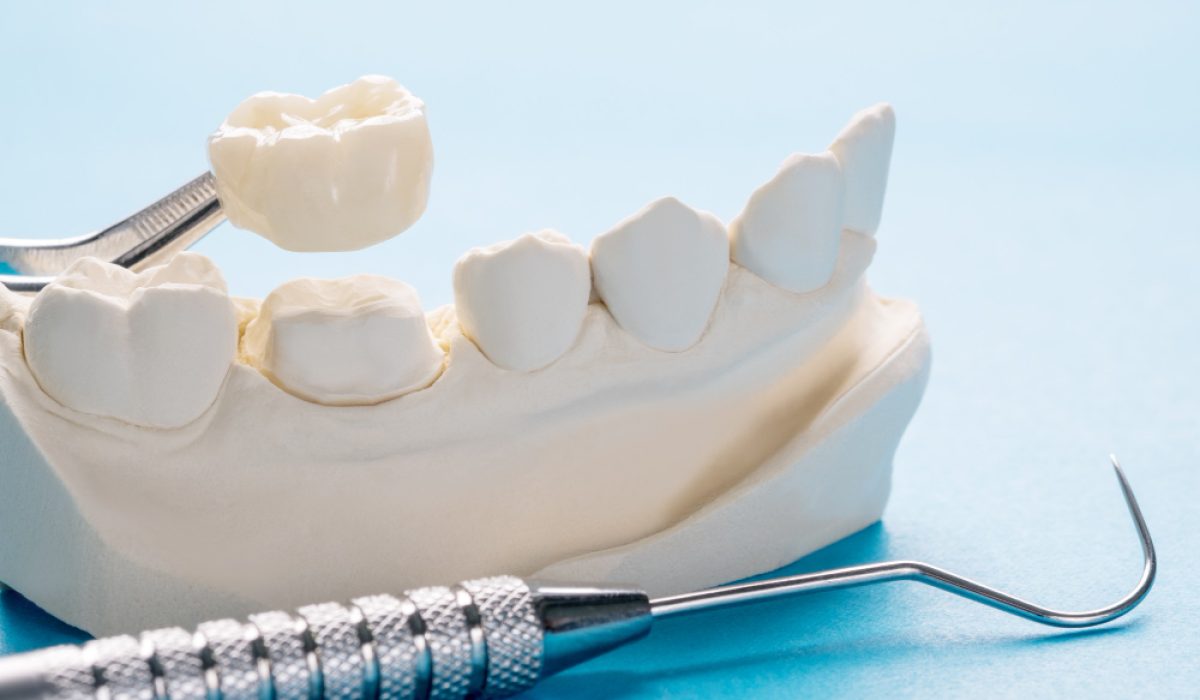
Dental crowns are tooth-shaped caps placed over a tooth. They cover the entire visible part of the tooth. Usually, dentists use crowns to restore teeth that are broken, worn down, or have large fillings. Crowns can be made from metal, porcelain, ceramic, or a mix of materials. Because they look and feel like natural teeth, many people choose dental crowns for both health and cosmetic reasons.
Key Benefits of Dental Crowns
Dental crowns offer several important benefits. For example, they can:
Additionally, dental crowns can support dental bridges or cover dental implants. According to the American Dental Association, crowns are a reliable way to restore dental health.
Who Should Consider Dental Crowns?
Not everyone needs a dental crown, but many people benefit from them. You may need a crown if you have:
However, your dentist will help decide if a crown is the best choice for you. In many cities, dental crowns are available at most dental clinics, making them easy to access.
How Dental Crowns Improve Oral Health
Dental crowns do more than just look good. For instance, they help prevent further damage to weak teeth. By covering the tooth, a crown keeps out bacteria and reduces the risk of infection. Crowns also support teeth that have large fillings or have had root canals. As a result, they help keep your mouth healthy and strong.
What to Expect During the Dental Crown Procedure
Getting a dental crown is a simple process. First, your dentist will numb the area around your tooth. Then, they will shape the tooth to fit the crown. Next, they take an impression of your tooth. This helps make a crown that fits perfectly. While you wait for the permanent crown, you may get a temporary one. Finally, your dentist will place the new crown and make sure it feels comfortable. The whole process usually takes two visits.
Tips for Caring for Dental Crowns
Proper care helps your dental crown last longer. Here are some easy tips:
With good care, your crown can stay strong and look great for many years.
Conclusion
Dental crowns offer many benefits, from protecting weak teeth to improving your smile. Because they are strong and look natural, they are a popular choice for many people. If you think you might need a crown, consult your dentist to find out if dental crowns are right for you.