What Is Gum Disease (Periodontal Disease)?
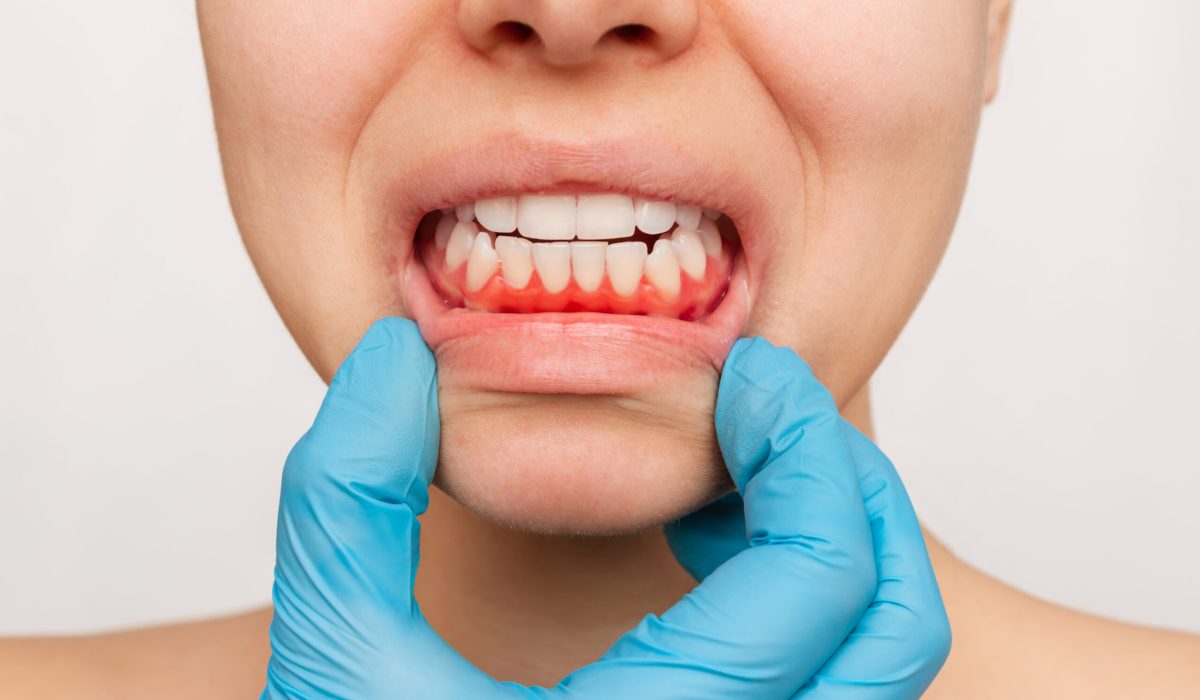
Gum disease, also called periodontal disease, is a common problem. It affects the tissues that support your teeth. At first, it may cause mild swelling or bleeding. However, if left untreated, it can lead to tooth loss. Early care and good oral hygiene for healthy gums can help prevent gum disease.
Common Symptoms and Early Warning Signs
It is important to spot gum disease early. Some signs may be easy to miss. Still, knowing what to look for helps you act fast. Watch for these symptoms:
If you notice any of these, see your dentist soon. Early treatment can stop the problem from getting worse.
Main Causes and Risk Factors
Gum disease starts when plaque builds up on your teeth. Plaque is a sticky film of bacteria. Over time, it can harden into tartar. This makes it harder to clean your teeth. As a result, your gums may become inflamed. Several factors can raise your risk:
Because some risks are out of your control, daily care is even more important.
Importance of Oral Hygiene in Gum Health
Good oral hygiene for healthy gums is key to gum disease prevention. When you clean your teeth well, you remove plaque and bacteria. This helps keep your gums strong. In addition, it lowers your risk of tooth loss and other health problems. According to the CDC, regular brushing and flossing are the best ways to protect your gums.
Best Daily Oral Hygiene Practices
To keep your gums healthy, follow these daily steps:
For best results, brush for at least two minutes each time. Also, make sure to clean along the gumline gently.
Professional Dental Care and Regular Check-Ups
Even with good home care, you need regular dental visits. Dentists can spot early signs of gum disease. They also remove tartar that brushing cannot reach. Most experts suggest seeing your dentist every six months. However, your dentist may recommend more visits if you have gum problems. If you are looking for help, find a dentist near you for a check-up.
Lifestyle Tips for Healthy Gums
Besides brushing and flossing, your lifestyle matters. Here are some tips for healthy gums:
Because healthy habits support your gums, they also improve your overall health.
Prevention Strategies for Gum Disease
Preventing gum disease is easier than treating it. You can lower your risk by:
Because prevention is simple, it saves you time and money in the long run.
When to See a Dentist
Sometimes, you may need help from a dental professional. See your dentist if you notice:
Early care can stop gum disease from getting worse. Do not wait until you feel pain.
Overview of Treatments for Gum Disease
If you have gum disease, several treatments can help. Your dentist may suggest:
With early treatment, most people can manage gum disease and keep their teeth.
Conclusion
Healthy gums are the foundation of a healthy smile. By following the best oral hygiene practices and making smart lifestyle choices, you can prevent gum disease. If you notice any warning signs, consult a dental professional for personalized advice on gum health.